
This article provides a clear, practical overview of why activated carbon is so effective for organic matter removal, how different carbon types perform, and what parameters determine its adsorption efficiency.
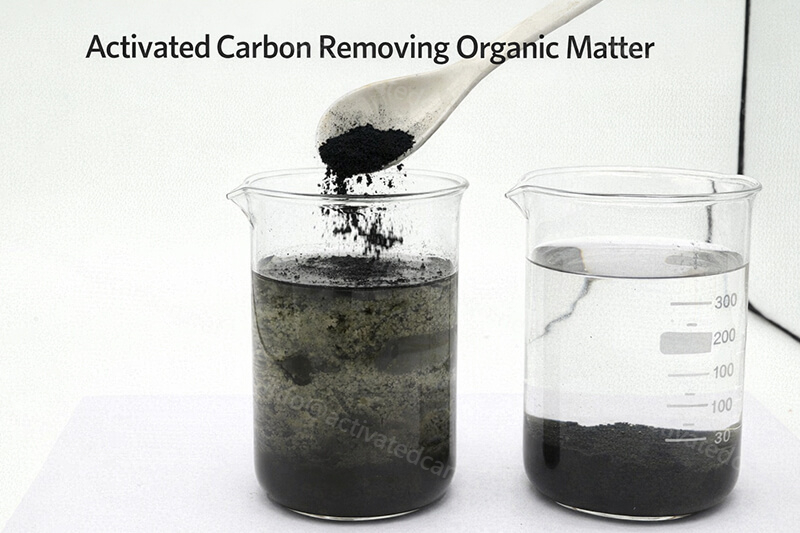
Why Activated Carbon Is Effective for Organic Matter Removal
Activated carbon offers a unique combination of high surface area, diverse pore structure, and surface chemistry, making it exceptionally suitable for capturing and holding organic molecules from water and air.Its strengths include:
• Extremely large surface area (800–1400 m²/g) for adsorption
• Developed micro‑ and meso‑porous network to trap both small and large organic molecules
• Hydrophobic surface properties, ideal for organic pollutants
• Ability to remove color, taste, and odor
Typical Parameters of Activated Carbon for Organic Removal
Below is a general reference table for high‑performance activated carbon used specifically for removing organic matter. Actual values vary based on raw material and production method.| Parameter | Typical Range |
|---|---|
| Iodine Value | 900–1200 mg/g |
| Surface Area (BET) | 900–1300 m²/g |
| Pore Structure | Micro‑/meso‑porous |
| Hardness | ≥ 90% |
| Ash Content | 3–10% |
| Moisture | ≤ 5% |
| Particle Size (GAC) | 8×30, 12×40 mesh |
| Pellet Sizes (EAC) | 3–5 mm pellets |
Types of Activated Carbon for Organic Matter Removal
Not all activated carbon is the same. Different raw materials produce different pore structures and adsorption characteristics. Below is a clear comparison among coconut shell, nut shell, and coal-based activated carbon—the three most common types used for organic removal.| Category | Coconut Shell Carbon | Nut Shell Carbon | Coal-Based Carbon |
|---|---|---|---|
| Pore Structure | Highly micro‑porous | Micro‑porous | Balanced micro‑/meso‑porous |
| Best For | Small organic molecules, drinking water | Taste/odor removal, organics in water | Large organics, industrial wastewater |
| Hardness | Very high | High | Medium–high |
| Ash Content | Very low | Low | Higher |
| Cost Level | Higher | Medium | Economical |
| Applications | High‑purity filtration | Food, beverage, potable water | Wastewater, industrial systems |
Summary:
Coconut shell activated carbon features an exceptionally high micro‑pore volume, making it particularly effective at capturing small organic molecules and producing high‑purity drinking water.Nut shell activated carbon offers a balanced micro‑porous structure with excellent hardness, giving it outstanding performance in taste and odor improvement as well as broad‑spectrum organic removal in food, beverage, and general water treatment applications.
Coal‑based activated carbon, with its more developed meso‑porous structure, is better suited for adsorbing larger organic compounds and handling high‑load industrial wastewater streams, where robust and cost‑effective performance is essential.
Applications of Activated Carbon for Organic Matter Removal
Activated carbon plays an essential role in various industries due to its versatility and high adsorption efficiency.
Common applications include:
- Municipal water treatment (NOM reduction)
- Industrial wastewater treatment
- Removal of dyes, phenols, pesticides, and solvents
- Food and beverage purification
- Aquaculture and aquarium water polishing
- Pharmaceutical and chemical production wastewater
- VOC removal in air treatment systems
Its ability to eliminate organic pollutants improves safety, transparency, taste, and overall water quality.
Conclusion
Activated carbon remains one of the most effective and reliable technologies for removing organic matter from water and air. Its unique porous structure and strong affinity for organic pollutants make it indispensable across municipal, industrial, and commercial purification systems. Whether your application involves improving drinking water quality, treating industrial wastewater, or removing complex organic chemicals, the right activated carbon can significantly enhance system performance and operational efficiency.
If you need detailed specifications, application guidance, or recommendations for the most suitable activated carbon type, feel free to ask—I can provide tailored advice for your exact requirements.