
Volatile Organic Compounds (VOCs) are harmful organic gases released from industrial processes, coatings, petrochemicals, and many manufacturing activities. Effective removal of VOCs is essential for improving air quality, protecting worker safety, and complying with environmental regulations. Among all purification technologies, activated carbon adsorption remains one of the most efficient, stable, and cost‑effective methods for VOC control.
This article explains how activated carbon removes VOCs, the best carbon types for gas‑phase applications, and how to choose the right product for your system.
What is VOC?
Volatile Organic Compounds (VOCs) are a broad group of carbon‑based gases that easily evaporate at room temperature. They are commonly released during industrial production, chemical processing, painting, printing, fuel handling, and many manufacturing operations. Because VOCs evaporate quickly and disperse into the air, they can cause strong odors, contribute to atmospheric pollution, and pose health and safety risks. Effective VOC control is essential for protecting workers, improving indoor and outdoor air quality, and meeting environmental emission regulations.Common VOC characteristics and sources include:
Organic chemical gases that easily vaporize
Emitted from industrial solvents, coatings, inks, and petrochemicals
Contain compounds such as benzene, toluene, xylene, alcohols, ketones, aldehydes
Produce strong odors and harmful fumes
Contribute to smog, indoor air pollution, and environmental hazards
Generated in manufacturing, painting, printing, and fuel processing industries
| Hydrocarbons | benzene, toluene, n-hexane, naphtha, cyclohexane, methylcyclohexane, dioxane, diluent, gasoline, etc. |
| Olefins | trichloroethylene, perchloroethylene, trichloroethane, dichloromethane, trichlorobenzene, dichloroethane, trichloromethane, carbon tetrachloride, freon, etc. |
| Aldehydes and ketones | formaldehyde, furfural, acetone, MEK (methyl ethyl ketone), MIBK (methyl isobutyl ketone), cyclohexanone, etc. |
| Esters | ethyl acetate, butyl acetate, ethyl oleate, etc. |
| Ethers | methyl ether, methyl ether, THF (tetrahydrofuran), etc. |
| Alcohols | methanol, ethanol, isopropanol, n-butanol, isobutanol, etc. |
| Monomers for polymerization | vinyl chloride, acrylic acid, styrene, vinyl acetate, etc. |
| Amides | dimethylformamide (DMF), dimethylacetamide, etc. |
.jpg)
How does activated carbon remove VOCs?
Activated carbon is a porous adsorbent with a very large surface area, making it highly effective for capturing volatile organic compounds (VOCs). When VOC‑containing exhaust gas passes through a treatment system filled with activated carbon, the organic molecules in the gas stream come into contact with the carbon surface and are trapped inside its pores. Through this adsorption process, the VOC concentration in the air is significantly reduced, helping to purify emissions and improve air quality.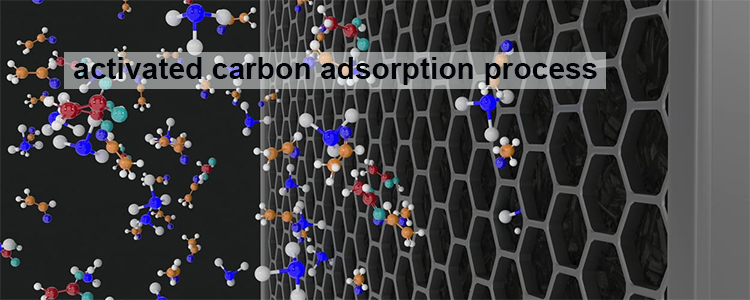
Types of Activated Carbon for VOC Removal
Activated carbon is one of the most effective materials for removing VOCs due to its highly developed pore structure, large surface area, and strong affinity for organic vapors. By adjusting raw materials, activation temperature, and pore distribution, activated carbon can be optimized for different gas‑phase purification needs. In VOC treatment systems, the most commonly used types are granular activated carbon, pelletized activated carbon, and impregnated activated carbon, each offering unique advantages depending on airflow, VOC concentration, and system design.Granular Activated Carbon (GAC)
| Item | Specification |
|---|---|
| Raw Material | Coconut shell / Coal-based |
| Mesh Sizes | 4×8, 4×10, 4×12, 6×12, 8×16 (customizable) |
| CTC Value | 60% – 120% |
| Iodine Value | 900 – 1100 mg/g |
| BET Surface Area | 950 – 1200 m²/g |
| Hardness | ≥ 95% |
| Moisture | ≤ 5% |
| Ash | ≤ 5% |
| Applications | VOC removal, solvent recovery, exhaust gas purification |
| Packaging | 25kg bags, 500kg jumbo bags, customized |
Pelletized Activated Carbon (Extruded Carbon)
Pelletized activated carbon is made in cylindrical pellets, offering low pressure drop and high mechanical strength—ideal for large airflow and continuous VOC treatment systems.| Item | Specification |
|---|---|
| Shape | Cylindrical pellets (1mm, 2mm, 3mm, 4mm) |
| Raw Material | Coal-based / Wood-based |
| CTC Value | 60% – 120% |
| Iodine Value | 850 – 1050 mg/g |
| Hardness | ≥ 95% |
| Moisture | ≤ 5% |
| Ash | ≤ 8% |
| Pressure Drop | Low |
| Applications | Air purification, industrial VOC control, solvent vapor adsorption |
| Packaging | 25kg bags, 500kg jumbo bags |
Impregnated Activated Carbon
Impregnated activated carbon contains special chemicals to enhance removal of specific VOCs, acid gases, or hazardous organic compounds.| Item | Specification |
|---|---|
| Base Material | Coconut shell / Coal-based |
| Impregnations | KMnO₄, KOH, H₃PO₄, Ag, CuO, etc. |
| Iodine Value | 900 – 1100 mg/g |
| Hardness | ≥ 93% |
| Moisture | ≤ 8% |
| Ash | ≤ 8% |
| Special Function | Removal of acidic VOCs, formaldehyde, H₂S, amines |
| Applications | Gas filters, chemical plants, odor control, toxic gas adsorption |
| Packaging | 25kg bags, 500kg jumbo bags |
Conclusion
Activated carbon has been a better and effective solution for VOC removal. Its porous structure and high adsorption capacity has make it top-choice for industry and households.Zhulin Carbon stands out as a leader in providing high-quality activated carbon solutions tailored for VOC removal. With their commitment to innovation and excellence, Zhulin Carbon offers a range of products designed to meet diverse needs and applications. If any question about VOC, contact us for a better solution.