
Mercury is a highly toxic pollutant released from industrial processes such as coal combustion, waste incineration, metal refining, chemical production, and natural gas treatment. Because mercury can easily vaporize and travel long distances in the atmosphere, it poses serious risks to both human health and the environment.
Activated carbon has become one of the most reliable and widely used materials for capturing mercury from gas streams. Its porous structure, large surface area, and ability to be chemically modified make it ideal for efficient mercury adsorption. This article explains how activated carbon removes mercury, where it is used, and provides clear specifications for the three most common activated carbon types used for mercury control.
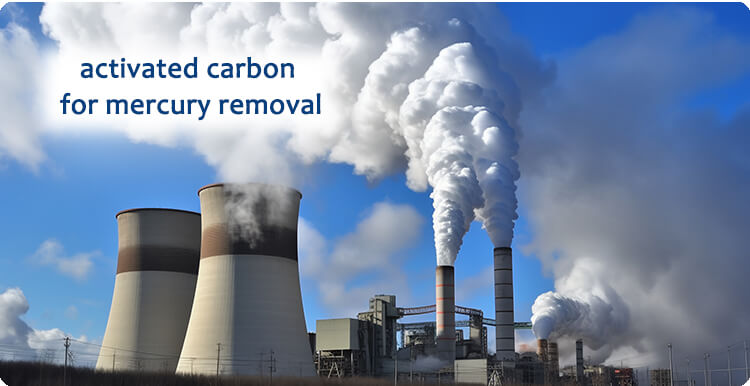
How Does Activated Carbon Remove Mercury?
Activated carbon naturally contains a large number of micropores, which can trap vapor‑phase mercury as the gas passes through an adsorption system. However, elemental mercury can be difficult to capture due to its low reactivity.To improve mercury removal efficiency, activated carbon is often impregnated with specific chemicals that help bind mercury molecules more effectively. The two most widely used impregnation materials are:Silver compounds (such as silver nitrate)
Sulfur
These additives create active sites that react with mercury, forming stable compounds that remain trapped on the carbon surface. Besides, coal powder activated carbon is also used for mercury removal from waste incineration flue gas.
The overall process of mercury removal can be summarized in three simple steps:
Gas contact: Mercury-containing gas flows through a carbon bed or injection system.
Adsorption & reaction: Mercury molecules enter the pores and react with the impregnated materials.
Stabilization: The captured mercury becomes bound to the activated carbon, preventing re‑release into the air.
This makes activated carbon a safe, effective, and widely accepted solution for industrial mercury control.
The application fields:
Activated carbon is commonly used for mercury control in:• Coal-fired power plants
• Waste & medical incineration
• Cement production
• Mining and metallurgy
• Natural gas purification
• Chemical manufacturing
• Industrial air purification systems
Its ability to handle different mercury forms and adapt to various system designs makes it suitable for both large and small‑scale applications.
Types of Activated Carbon for Mercury Removal
Below are the three most widely used activated carbons for mercury control, each serving the same purpose but designed for different operating conditions.Powdered Activated Carbon
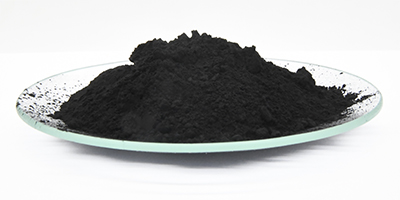
| Item | Powder activated carbon |
| Size | 100mesh, 200mesh |
| Iodine | 600-900mg/g |
| Moisture | ≤10% |
| Hardness | ≥95% |
| Bulk density | ≤450g/l |
Sulfur Impregnated Activated Carbon
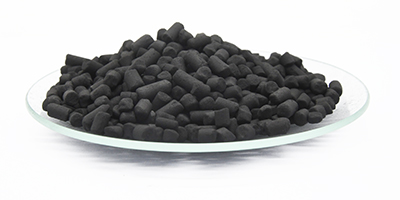
Sulfur impregnated activated carbon is predominantly used for removing mercury from flue gas emissions in coal-fired power plants and industrial boilers. This type of activated carbon is impregnated with chemicals such as sulfur or halogens, which enhance its mercury adsorption capabilities. When the flue gas containing mercury passes through a bed of impregnated activated carbon, the mercury is adsorbed onto the carbon surface, effectively reducing mercury emissions from the exhaust gases.
| Item | Specification |
| Impregnation | Sulfur (S) |
| Mercury Removal Efficiency | Effective for elemental & oxidized mercury |
| Sulfur Content | 5% – 15% |
| Iodine Value | 700 – 950 mg/g |
| Surface Area | 700 – 1000 m²/g |
| Hardness | ≥ 93% |
| Moisture | ≤ 5% |
| Ash | ≤ 10% |
| Particle Size | 4×8, 4mm or customzied |
| Applications | Waste incineration, coal flue gas, industrial exhaust treatment |
| Packaging | 25kg bags, 500kg jumbo bags |
Silver Impregnated Activated Carbon
Silver-impregnated activated carbon is designed to capture elemental mercury by forming stable mercury-silver compounds. It is commonly used in gas purification systems that require high stability and long service life.| Item | Specification |
| Impregnation | Sulfur (S) |
| Mercury Removal Efficiency | Effective for elemental & oxidized mercury |
| Sulfur Content | 5% – 15% |
| Iodine Value | 700 – 950 mg/g |
| Surface Area | 700 – 1000 m²/g |
| Hardness | ≥ 93% |
| Moisture | ≤ 5% |
| Ash | ≤ 10% |
| Particle Size | 4×8, 4mm or customzied |
| Applications | Waste incineration, coal flue gas, industrial exhaust treatment |
| Packaging | 25kg bags, 500kg jumbo bags |
Conclusion
Activated carbon emerges as a versatile and efficient solution for mercury removal across diverse environmental contexts. Whether it's mitigating atmospheric emissions from industrial processes or safeguarding water quality in wastewater treatment, the unique properties of activated carbon make it an indispensable tool in the fight against mercury pollution.Zhulin Carbon has been in gas purification field for 20 years. For effective mercury control solutions, turn to Zhulin Carbon, your trusted partner in environmental stewardship.